


Most Common Lockout Situations and How to Prevent Them
From home lockouts to combination lock failures, here is what actually causes people to get locked out in Maryland and what you can do to stop it from happening.
Lockouts happen to almost everyone at some point. They tend to occur at the worst possible moments, when you are running late, carrying groceries, or returning home after dark. While calling a locksmith is always an option, understanding why lockouts happen in the first place puts you in a much better position to avoid them entirely.
This guide covers the most common lockout situations Maryland residents face, what triggers each one, and the practical steps you can take to prevent them. Whether you own a home, rent an apartment, manage a business, or simply want to be better prepared, there is something here worth knowing.
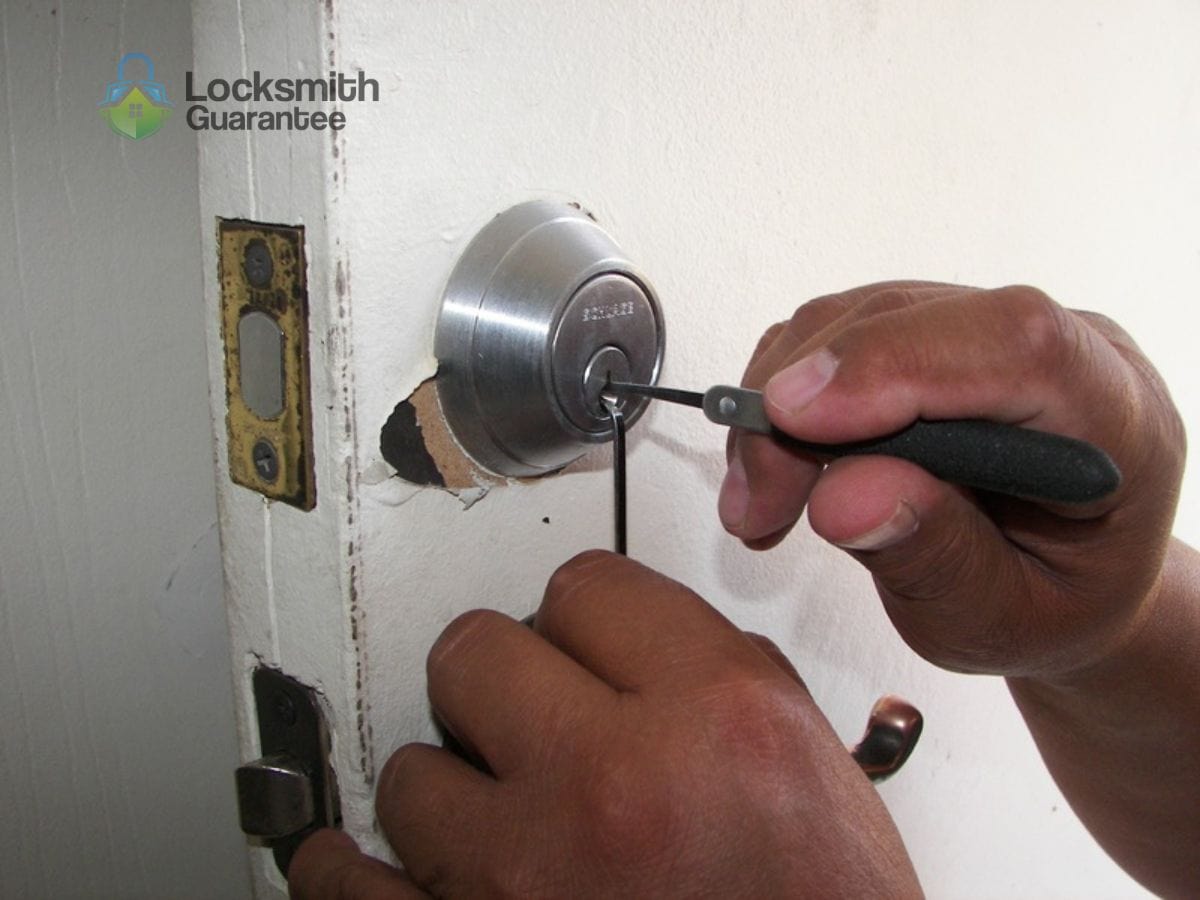
House lockouts are among the most frequent calls a Maryland locksmith receives, and most of them are preventable.
Situation 1: The Classic House Lockout
The house lockout is far and away the most common call a Maryland locksmith receives. It usually comes down to one of three things: keys left inside, keys misplaced somewhere away from home, or a lock that has stopped functioning the way it should.
Why it happens
Modern life moves reliable. You step outside to grab something from the car, the door swings shut behind you, and suddenly you are standing on your own porch with no way in. In other cases people simply lose their keys while out, whether at a restaurant, gym, or office. Lock malfunctions are less common but also real, particularly on older deadbolts or knob locks that have worn internal mechanisms.
Why House Lockouts Happen
Leaving keys on a kitchen counter before stepping out, misplacing keys while out running errands, a worn lock cylinder failing to retract, a spring latch door closing behind you, or a broken key stuck inside the cylinder.
How to prevent it
The most reliable prevention is having a backup plan in place before you ever need it. Keep a spare key with a neighbor or family member you trust. Install a combination lockbox near your entry door so a spare is always accessible without depending on another person. Consider upgrading to a smart lock or keypad deadbolt so you never need to carry a physical key at all. For locks that have been sticking or feeling rough to operate, having a locksmith inspect them early can prevent a full failure later.
Keep a Spare Key Off-Site
Give a copy to a trusted neighbor, friend, or family member who lives nearby. This costs almost nothing and pays off professionally when you need it.
Install a Lockbox
A combination lockbox mounted near your door gives you secure access to a spare key without relying on anyone else being available.
Upgrade to a Smart Lock
Keypad and app-controlled locks eliminate the physical key entirely. You access your home with a code, your phone, or a fingerprint.
Service Aging Locks
A lock that feels stiff, slow, or inconsistent is a lock heading toward failure. Have it inspected before it becomes a problem.
Locked Out Right Now?
Licensed Maryland locksmiths available across the state with transparent, upfront pricing.
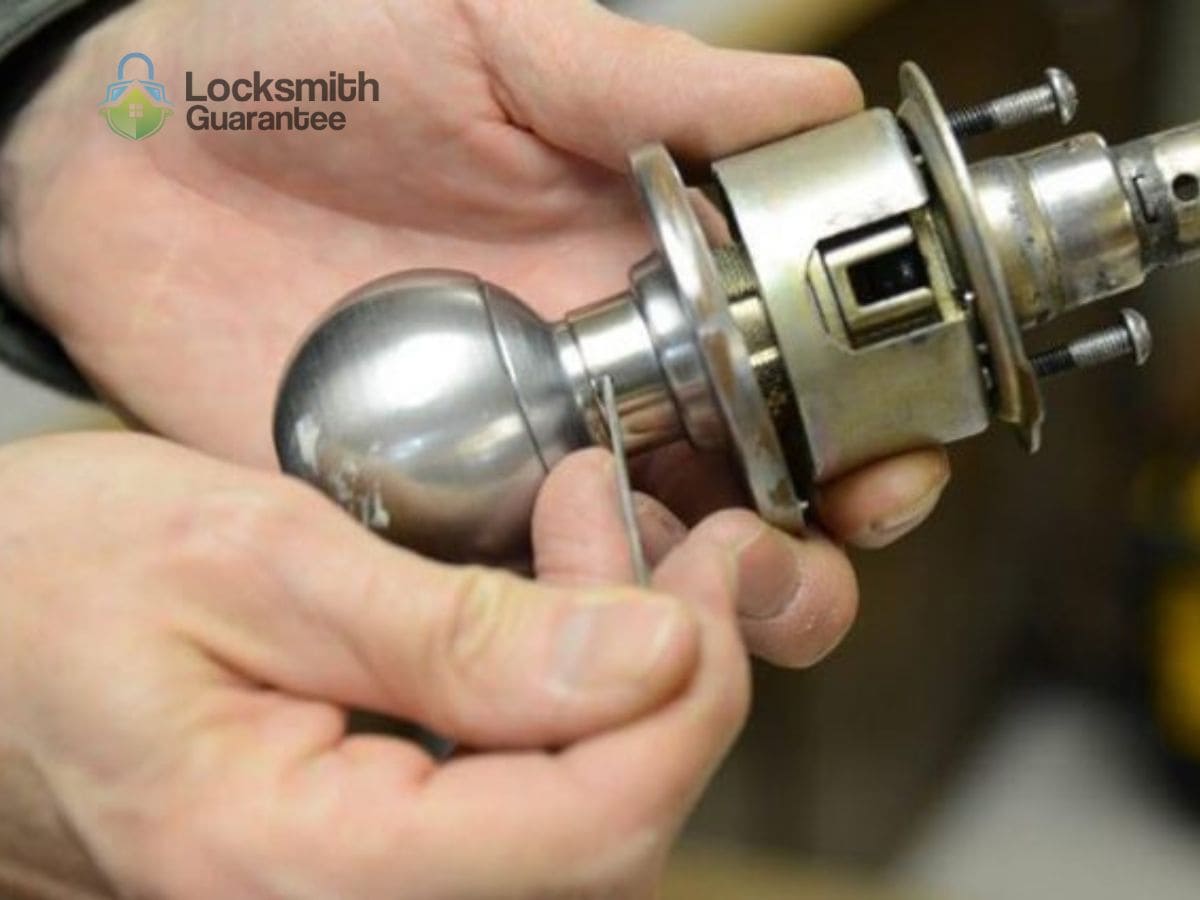
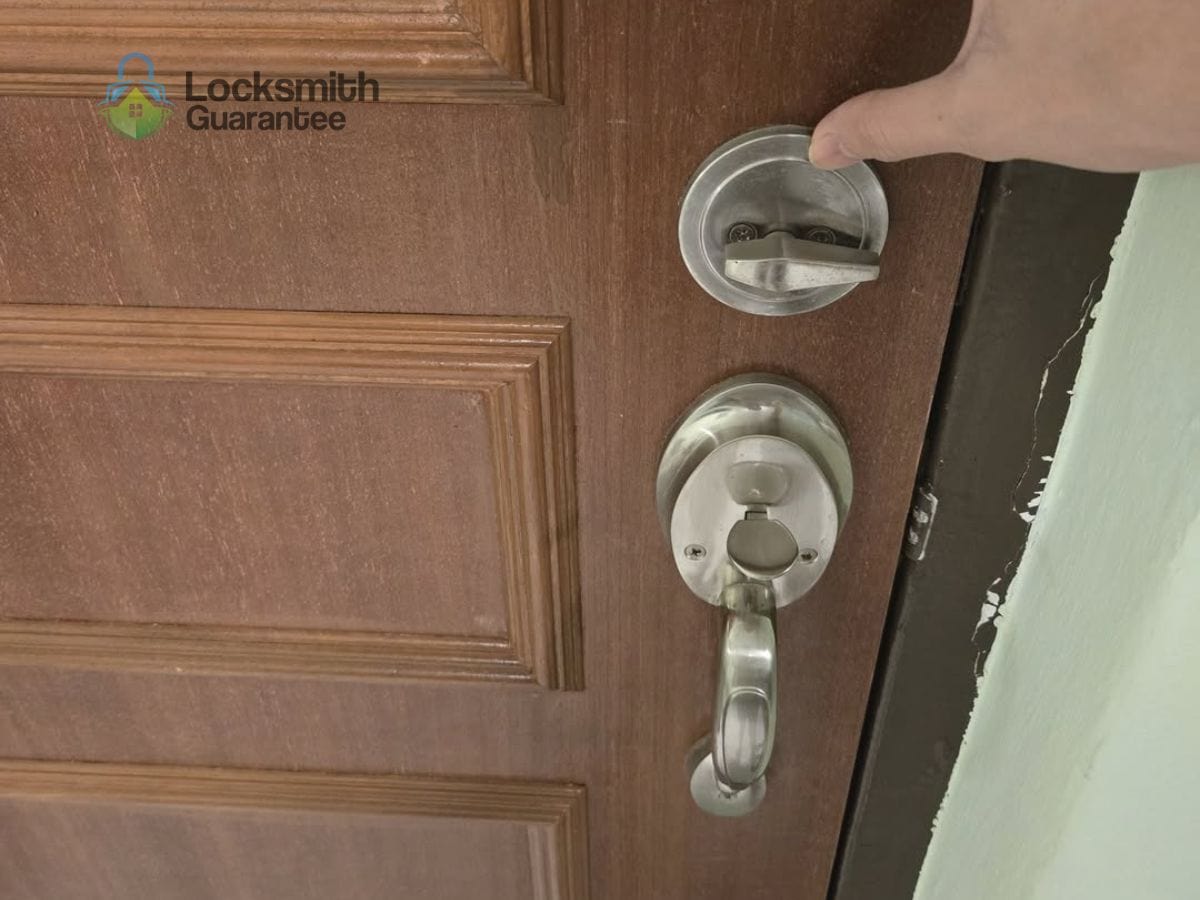
Worn knob locks are a frequent culprit in unexpected home lockouts. Regular servicing keeps them operating reliably.
Situation 2: Car Lockouts
Car lockouts are the second most common call, and they tend to happen in the most inconvenient locations, parking lots, gas stations, shopping centers, or right in your own driveway. Unlike a house lockout, a car lockout can sometimes carry safety implications depending on where you are stranded.
Why it happens
The most frequent cause is simply locking the keys inside the vehicle. This happens when someone places keys on the seat, closes the door, and walks away. With modern keyless fobs, a dead fob battery is a growing cause of lockouts as drivers find they cannot unlock the car remotely or get the push-button ignition to recognize the key. In some vehicles, a malfunctioning door lock actuator can also prevent unlocking from either inside or outside.
Why Car Lockouts Happen
Keys left on the seat or floor, fob battery dying unexpectedly, pushing the lock button by habit before fully exiting, child or pet accidentally triggering interior locks, or an electronic lock actuator failure.
How to prevent it
Build a habit of touching your keys before closing the car door. Keep a spare fob battery in your glove box and replace it at the first sign of reduced range. If your vehicle allows it, program a door code on keypad-equipped models. Maryland residents who drive older vehicles may want to have a spare mechanical key cut and kept in a wallet-style holder as a backup. You can also explore trunk lockout prevention specifically, as trunk access failures are a related and common problem.
Situation 3: Eviction and Property Access Lockouts
Property managers, landlords, and homeowners purchasing previously occupied properties sometimes face access situations that require professional locksmith help. Whether it is a tenant who has vacated and left locks that need to be changed, or a legal eviction process requiring documented lock changes, this is a specialized lockout category with specific considerations.
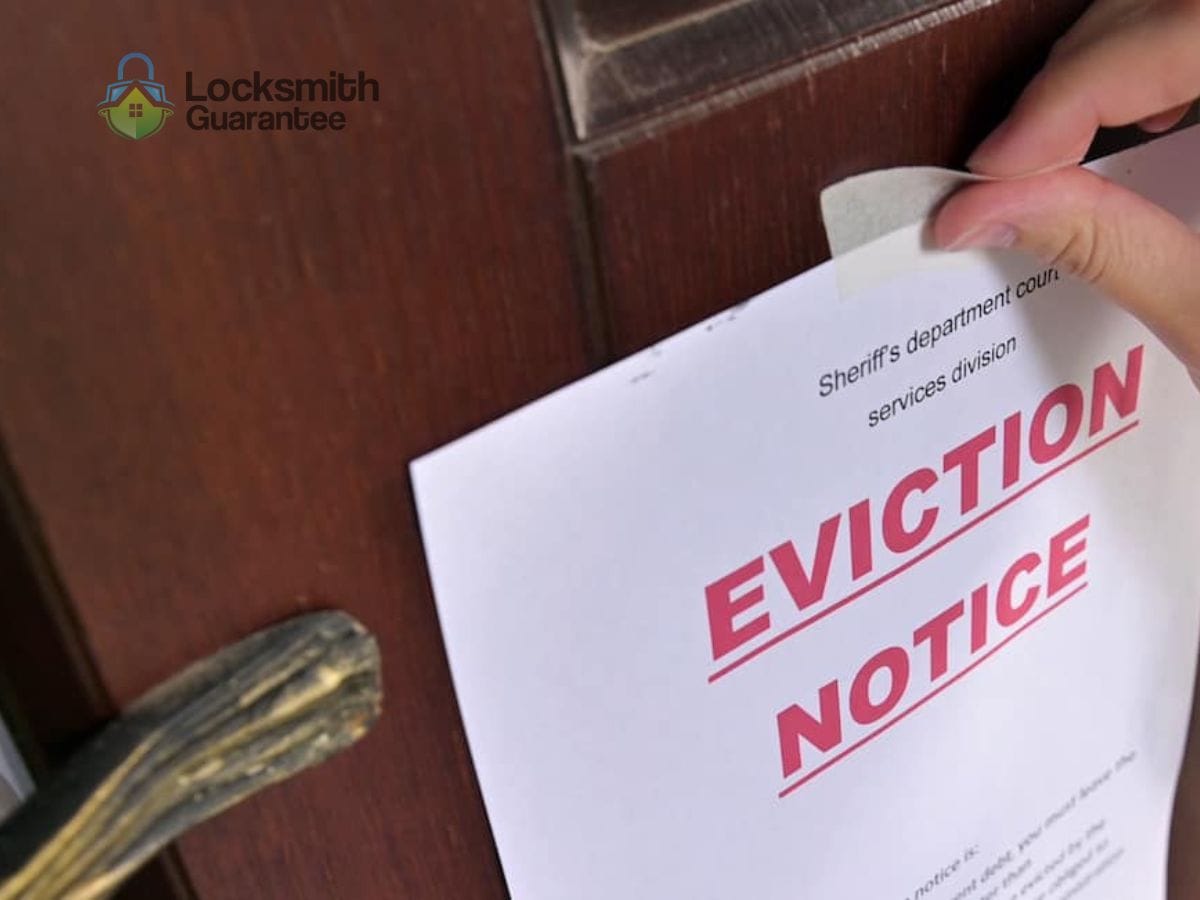
Property access and eviction lock changes require a licensed locksmith who understands both the technical and legal dimensions of the work.
Why it matters
In Maryland, lock changes during or after an eviction must follow proper legal procedure. A locksmith who specializes in these situations can document the work, provide receipts, and ensure the process is handled professionally. This protects the property owner and ensures the new locks are properly fitted and keyed.
How to prevent access complications
For landlords and property managers, the best approach is to rekey every unit between tenants rather than waiting for a problem to arise. This is true even when a tenant returns all copies of the key, since copies can be made without your knowledge. Having a commercial-grade locking system with a master key structure also gives you better control over who has access to which units at any given time.
Rekeying between tenants typically costs a fraction of replacing locks and takes less than 30 minutes per unit. It is one of the most cost-effective security steps a Maryland property owner can take.
Situation 4: Combination Lock Failures
Combination locks are used on everything from storage units and gym lockers to gun safes, filing cabinets, and padlocked gates. When they fail, the result is a lockout that most people are completely unprepared for because combination locks feel inherently reliable until they are not.
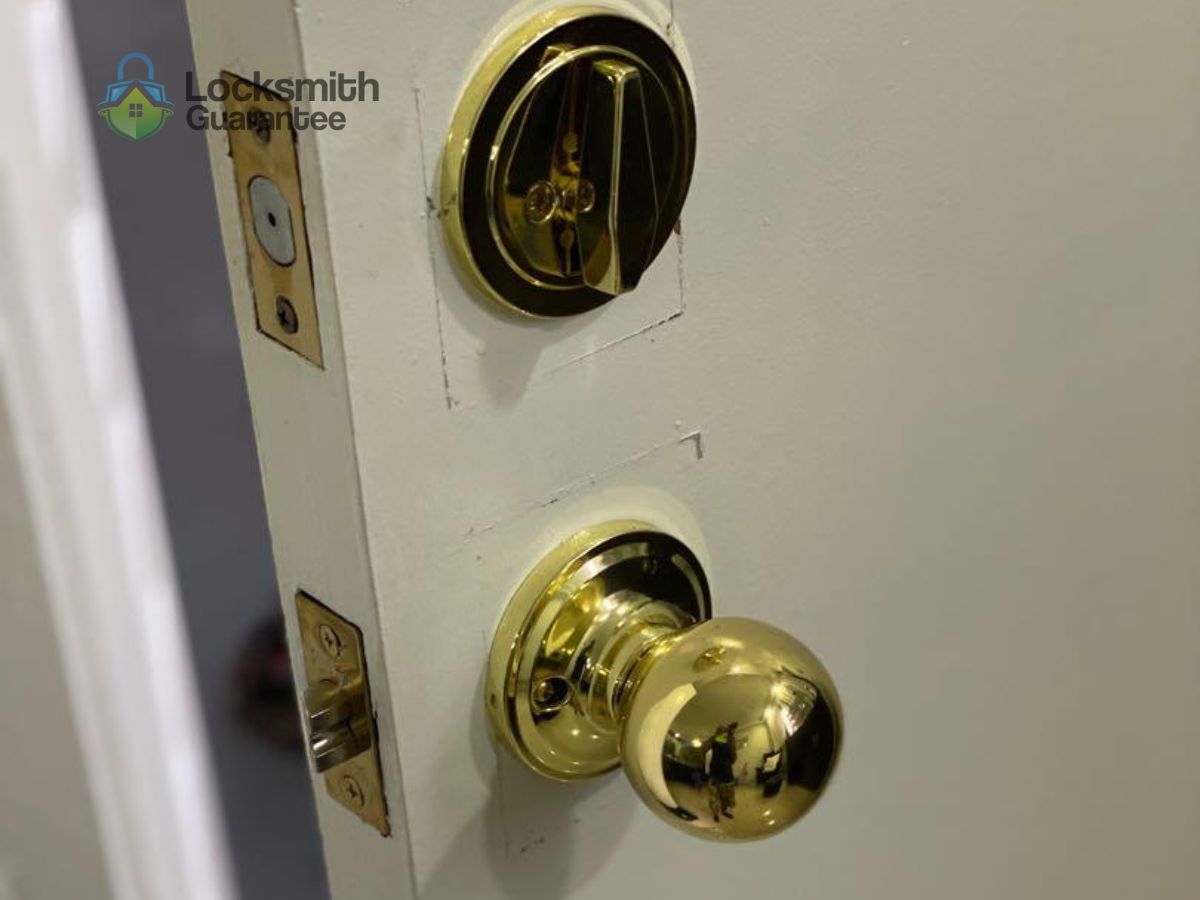
Combination lock failures can often be repaired without full replacement. A trained locksmith can assess and restore the mechanism.
Why it happens
The most common cause is a forgotten or incorrect combination. Over time people also miscalibrate their dialing habit, particularly with mechanical dial locks that require precise rotation counts. Internal wear on the cam and lever mechanism can cause a lock to stop engaging even when the correct combination is entered. Physical damage from impact or rust can also render a combination lock inoperable.
Why Combination Lock Failures Happen
Forgotten combinations, internal mechanical wear on dial cams, incorrect dialing sequence repeated over time, corrosion from outdoor exposure, physical impact damage, or a lock that was never properly reset after purchase.
How to prevent it
Store your combination securely somewhere other than the device it locks. A password manager or a sealed envelope kept in a safe location works well. For mechanical dial locks, periodically practice the combination to stay familiar with the feel. If a combination lock starts feeling stiffer than usual or requires multiple attempts, that is an early sign of internal wear. A locksmith can often service or adjust the mechanism before it fails completely, and in many cases a full combination lock repair or replacement is more straightforward than people expect.
Lock Repair and Replacement Across Maryland
From combination locks to knob sets, our technicians carry the parts and tools to handle it on site.
Situation 5: Patio and Sliding Door Lockouts
Patio and sliding glass door lockouts are less talked about than standard door lockouts but happen more often than most homeowners realize. These locks operate differently from a deadbolt and tend to fail in different ways, often catching people off guard.
Why it happens
Sliding door locks rely on a latch mechanism that engages a strike plate in the door frame. Over time the door can shift on its track, causing the latch to misalign and either fail to lock or fail to open. The foot-operated secondary security bar that many homeowners use can also become stuck or jammed. In some cases a door that has been forced or slammed repeatedly will develop frame issues that prevent the lock from operating correctly. You can read more about patio door lock repair and sliding glass door lock repair and what those services involve.
How to prevent it
Keep the door track clean and free of debris, which causes the door to drag and puts stress on the lock mechanism. Lubricate the track and the lock with a dry silicone spray rather than oil-based lubricants, which attract dirt. Check the alignment of the door annually by observing how the latch meets the strike plate when the door is fully closed. If there is a gap or the latch does not seat cleanly, have it adjusted before it becomes a lockout situation.
Situation 6: Mailbox Lockouts
Mailbox lockouts are a frequently overlooked but genuinely disruptive problem, particularly for residents of apartment complexes, condominiums, and HOA communities where mail is delivered to cluster mailbox units. Losing the key to a residential mailbox means going without mail access until the lock is replaced, which requires the right kind of professional help.
Unlike front door locks, mailbox locks are small and precise. Mailbox lock replacement in Maryland requires a locksmith with the right tooling and replacement hardware, since standard hardware stores rarely carry the correct cylinders for USPS-style cluster mailboxes. Prevention is simple: keep a spare mailbox key somewhere safe and separate from your main keyring.
What to Do When a Lockout Happens
Even with the best prevention habits in place, lockouts can still occur. Knowing exactly what to do in the moment keeps the situation from becoming more stressful than it needs to be.
- Stay calm and check all entry points. Before calling anyone, verify every door and window. People occasionally discover an unlocked back door or garage entry they forgot about.
- Contact your spare key holder. If you have given a spare to a neighbor or family member, now is the time to call them. This is often the reliableest resolution.
- Call a licensed Maryland locksmith. Look for a local company with verified reviews and a clear business presence. Confirm their license number and get a quote before agreeing to any work. Browse the FAQ page to understand what a professional service call involves.
- Do not attempt to force entry. Forcing a door or window yourself risks damaging the frame, the lock, or the door itself, and can make the locksmith’s job harder and more expensive.
- After the lockout is resolved, put a prevention plan in place. Use the experience as a professional to install a lockbox, cut a spare key, or upgrade to a smarter lock system.
efficient Prevention Checklist
- Give a spare house key to one trusted person who lives nearby
- Install a combination lockbox at your main entry point
- Replace fob batteries annually before they die unexpectedly
- Rekey all locks when moving into a new home or rental
- Service any lock that feels stiff, slow, or inconsistent
- Store your combination lock code somewhere separate and secure
- Keep sliding door tracks clean and lubricated each season
- Keep a spare mailbox key on a separate ring from your main keys
When Prevention Is Worth More Than the Service Call
A lockout costs you time, money, and stress. A professional locksmith visit for a standard residential lockout in Maryland runs between $75 and $150. A spare key cut at a hardware store costs less than $5. A combination lockbox runs $25 to $60. A smart lock upgrade runs $100 to $300 depending on the brand and features. The math is not complicated.
The point is not that locksmith services are expensive. It is that the best outcome is not needing them for an avoidable situation. When you do need a locksmith for something more complex, whether it is a 3-point lock repair, a Medeco high-security lock service, or a full lock replacement after a break-in, you want a technician who shows up prepared, prices fairly, and does the job right. Reviewing the home security tips for Maryland homeowners is a good next step if you want to think more broadly about your property’s overall security posture.
Frequently Asked Questions
Maryland’s Trusted Locksmith for Every Lockout
Whether you are locked out right now or looking to prevent it from happening again, Locksmith Guarantee MD is licensed, insured, and ready to help anywhere in Maryland.