


Safe Lockout Service in Maryland
Locked out of your home safe, floor safe, or fireproof cabinet in Maryland? Whether you have forgotten the combination, lost the key, the electronic keypad is unresponsive, or the bolt mechanism is jammed, a licensed locksmith can regain access without destroying the safe body or its contents. We serve residential and commercial clients throughout Maryland.
Safe Lockout Service: Key Points
All Safe Types
Home safes, floor safes, fireproof cabinets, wall safes, gun safes, and commercial-grade burglar safes.
Non-Destructive Entry
Picking, manipulation, and bypass methods preserve the safe body and door so your valuables and documents are not put at risk.
Identity Verification
We verify ownership of the safe before proceeding. Photo ID and proof of address or occupancy documentation accepted.
Combination Change On-Site
After opening your safe we can reset or change the combination and replace keypads or key cylinders on the same visit.
Regaining Access to Your Safe in Maryland
Being locked out of a safe is a different kind of problem than being locked out of a door. The contents are often irreplaceable, the mechanisms are more complex, and an incorrect attempt to force entry can permanently jam the relockers or damage the bolt work in a way that makes future opening much harder. A professionally trained safe technician approaches each job with a methodical assessment first, choosing the least invasive entry technique that matches the safe model and the reason for the lockout.
Safe models vary enormously in how they are built. A basic home safe from a big-box retailer and a UL-listed burglar-fire safe from a manufacturer like Gardall, Cannon, or Liberty have very different internal mechanisms and require different tools and techniques. Digital keypad models, mechanical dial combination locks, dual-key systems, and biometric safes each present their own challenges. Locksmiths who work on safes regularly carry the diagnostic equipment and experience necessary to identify the model, determine why entry has been prevented, and apply the correct method without guessing.
Maryland residents and businesses across the metro area, from Ballantyne and South Park to NoDa, Steele Creek, and Huntersville, can reach us for a scheduled safe lockout appointment. If your safe is large and not easily transported, we come to your location. Bring photo ID and any documentation that confirms the safe belongs to you or your business so we can proceed without delay.
Common Causes of Safe Lockouts
Forgotten Combination
The most common safe lockout scenario. Combinations used infrequently are easy to forget, especially after moving, a long gap between openings, or after a combination was changed and the new one was not memorized.
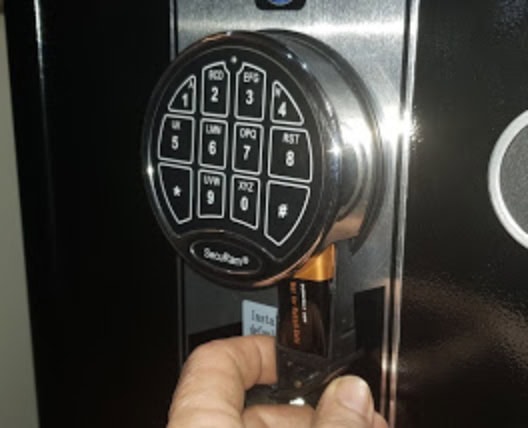
Dead Keypad Battery
Electronic safe keypads rely on a battery that is easy to overlook. When the battery dies completely, the keypad stops responding and the door cannot be opened electronically. Most models allow emergency battery access from outside.
Lost or Broken Key
Key-operated safes and lock boxes can leave you without access if the key is lost, stolen, or breaks off in the lock cylinder. Even with a spare, if both copies are missing a locksmith is needed to drill or pick the cylinder.
Relocker Triggered
Higher-security safes contain glass or spring-loaded relockers that engage if someone attempts to drill or force the door without proper technique. A triggered relocker means standard combination or keypad entry no longer works.
Bolt Work or Mechanism Jam
Safe bolt mechanisms can jam due to wear, improper use, or attempted forced entry. The correct code or key may not be enough to retract the bolt if the internal mechanism is damaged or seized.
Failed Biometric Access
Fingerprint readers on consumer-grade gun safes and home safes can fail to recognize stored prints due to sensor wear, dirty fingers, or firmware errors. Most still have a key or keypad backup, but locating those credentials is often the problem.
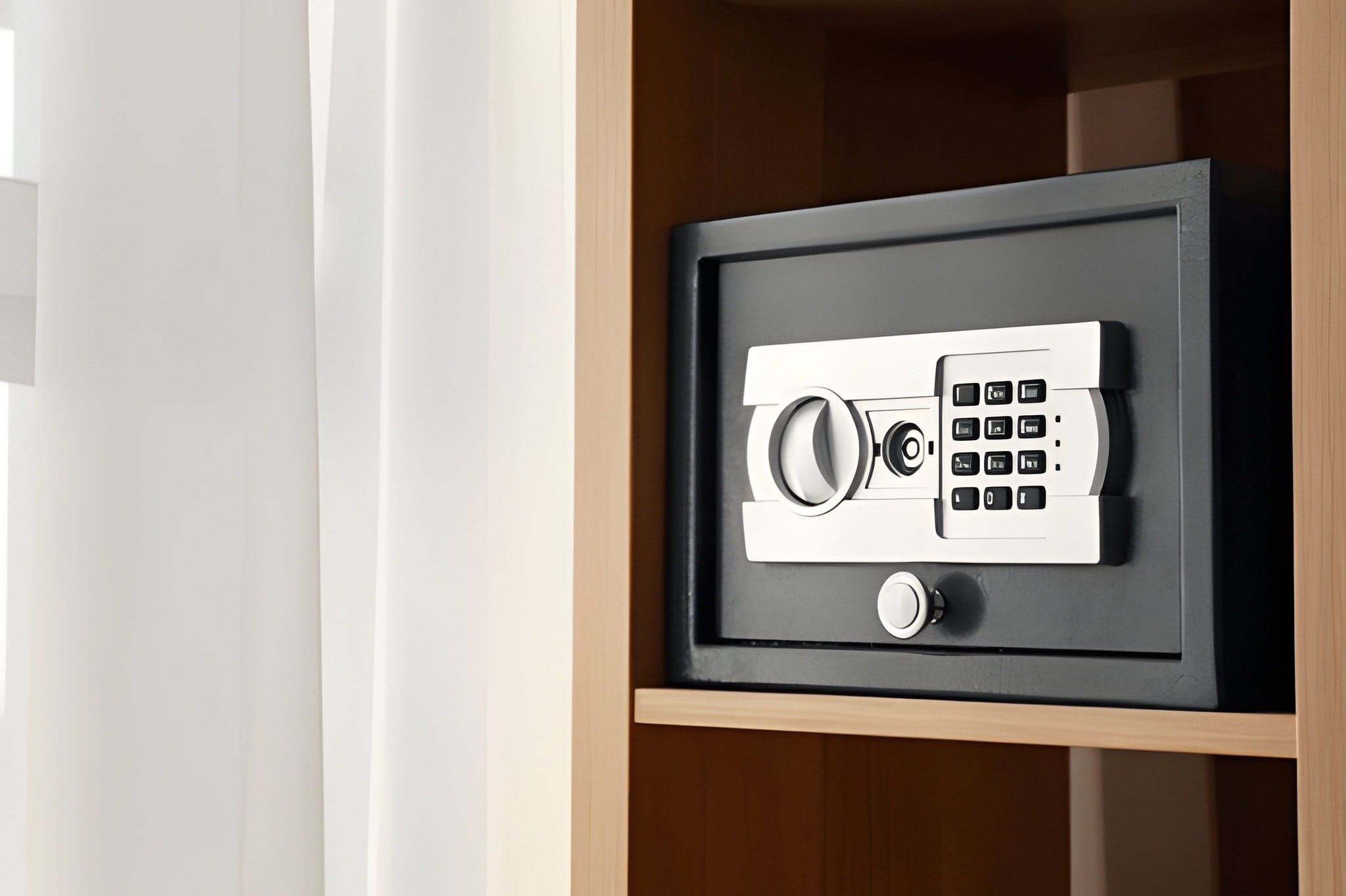
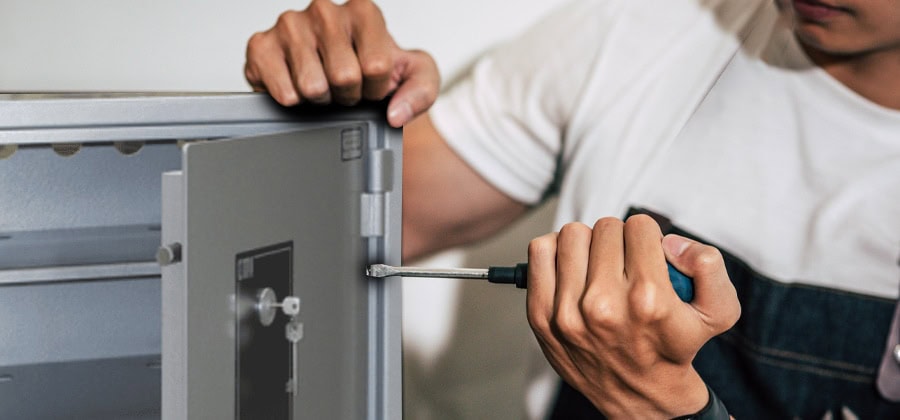
Safe & Vault Types We Service
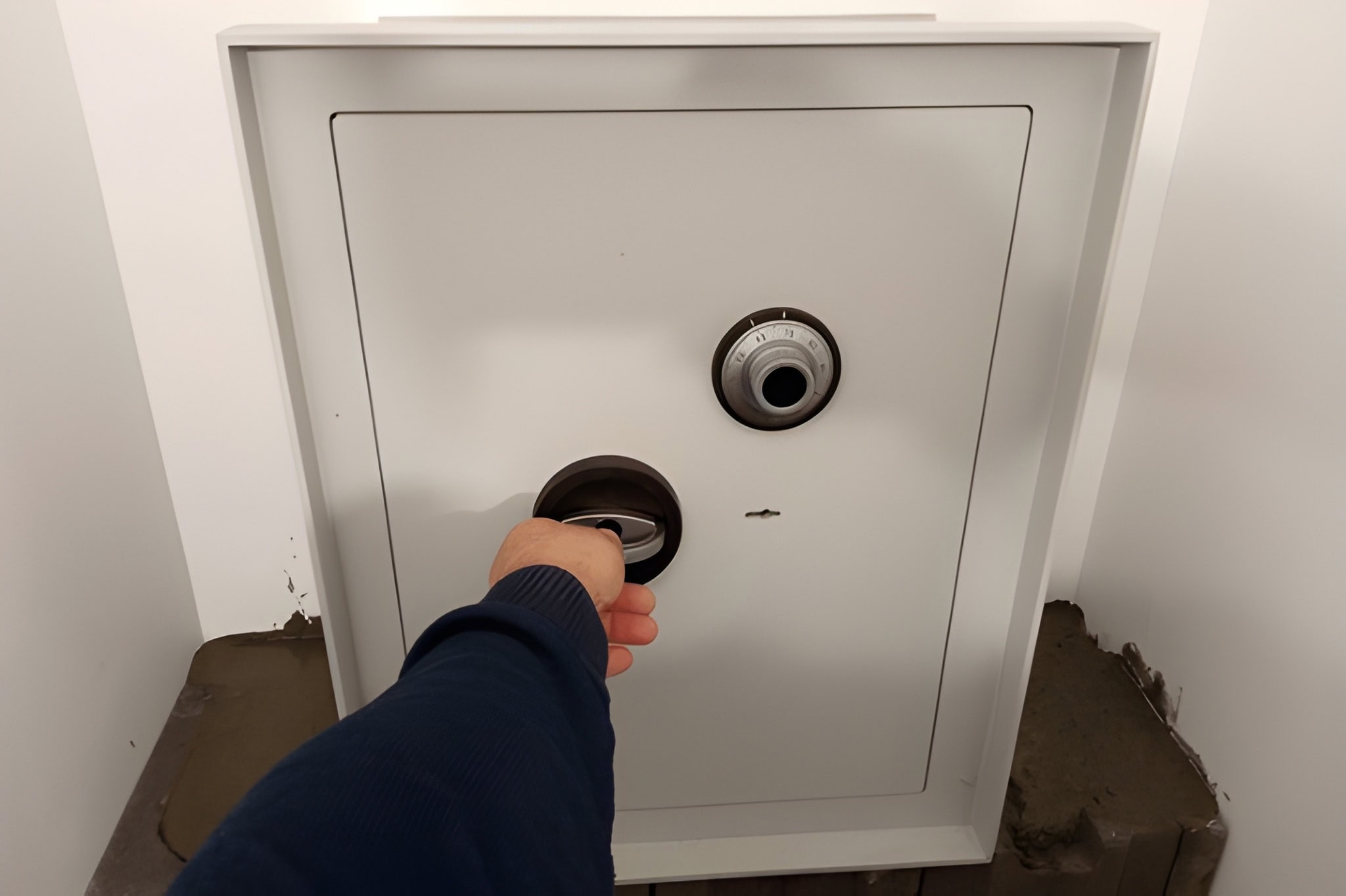
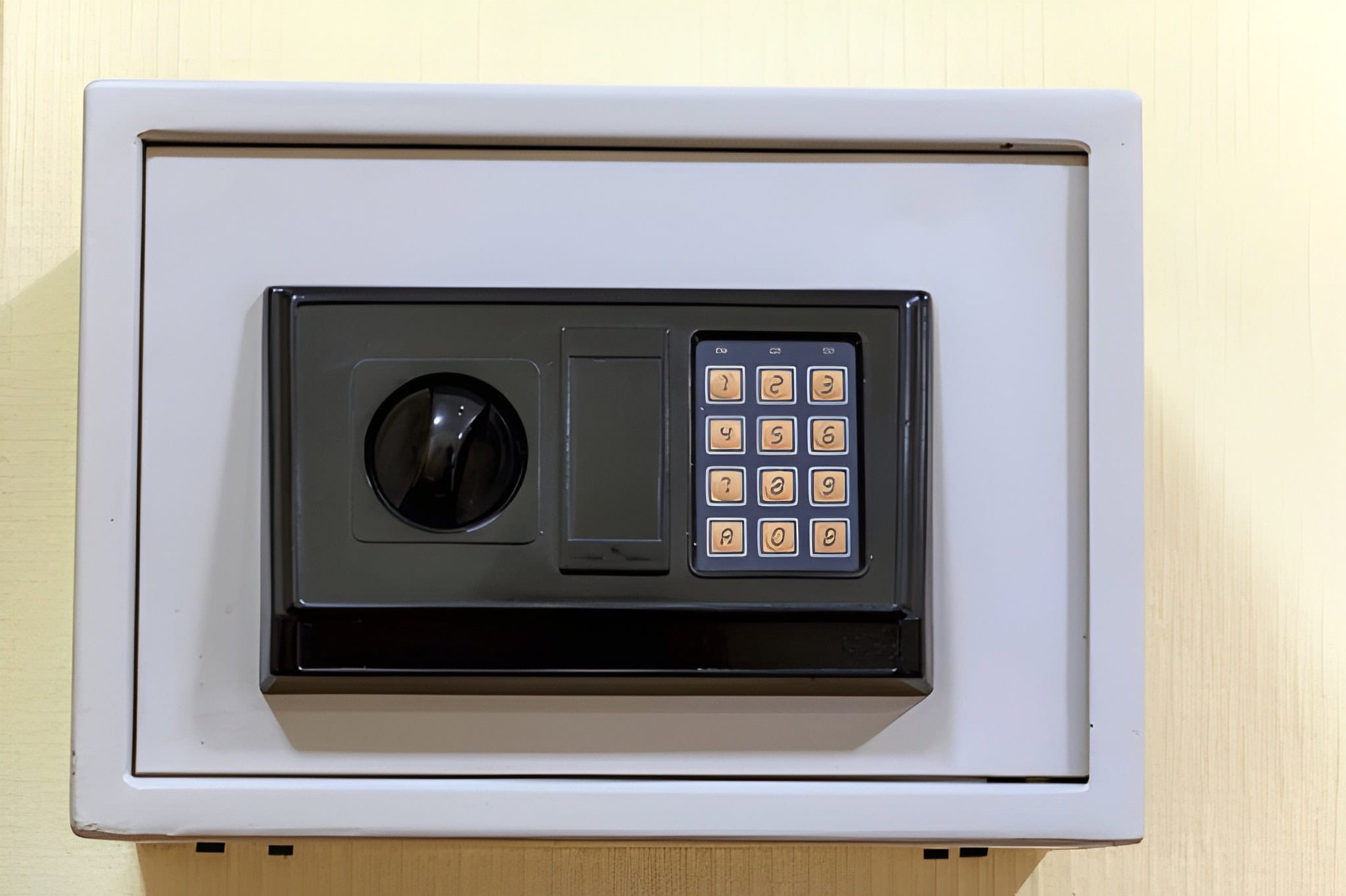
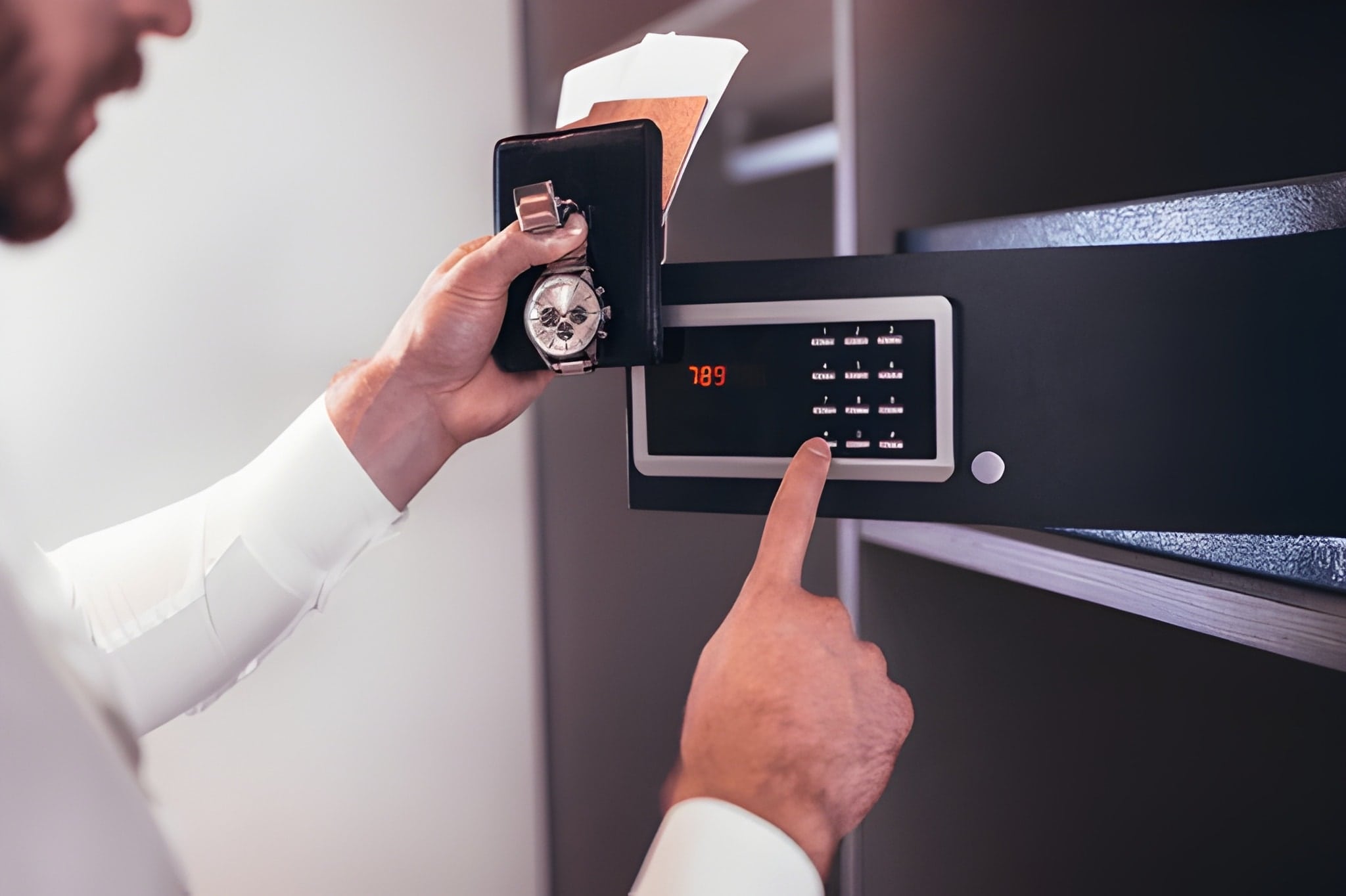
Home & Residential Safes
Digital and dial combination safes from brands like SentrySafe, First Alert, Honeywell, and Stack-On. Entry methods vary by model and why the safe is locked.
Gun Safes & Rifle Cabinets
Biometric, electronic, and mechanical long-gun safes from Liberty, Fort Knox, Browning, and similar manufacturers. Often involve combination locks or biometric readers that have failed or been forgotten.
Fireproof & Fire-Rated Safes
Safes rated for fire protection typically have thicker doors and denser locking bars. Entry requires understanding the specific fire-rating construction so no damage is done to the protective layer.
Commercial & Business Safes
UL-listed burglar safes, depository safes, and cash management safes used by retail stores, restaurants, and offices throughout Maryland. We work with Gardall, Amsec, Diebold, and other commercial-grade brands.
Floor & Wall Safes
Safes embedded into concrete floors or wall cavities. These often use dial or key-operated locks and can develop alignment or bolt issues over time as the surrounding structure settles.
Depository & Drop Safes
Retail and cash management drop safes with dual-door or slot mechanisms. These can experience jams in the inner compartment bolt or keypad failures with heavy daily use.
The Safe Lockout Service Process
1. Contact Us
Call and describe the safe brand, model if known, and the reason for the lockout so we arrive prepared with the right tools.
2. Ownership Verification
We verify your identity and confirm your right to access the safe using photo ID and supporting documentation before starting work.
3. Safe Assessment
The technician inspects the safe brand, lock type, and the reason for lockout, then selects the least invasive entry approach.
4. Safe Opening
Manipulation, picking, or bypass techniques are applied. Most entry is non-destructive. When drilling is required, only the minimum necessary area of the lock body is affected.
5. Combination Reset
After opening, we reset your combination, replace the keypad or cylinder if needed, and advise on an upgrade if the safe has been compromised.
Prevention Tips
Record the Combination Securely
Write your combination on paper and store it somewhere separate from the safe, such as a safety deposit box or with a trusted family member. Do not rely on memory alone for combinations used infrequently.
Replace Keypad Batteries Annually
Set a calendar reminder to change the batteries in electronic safes every twelve months. Do not wait for a low-battery warning. Using the wrong battery type can also cause premature failure.
Never Force the Handle
If the combination has been entered correctly but the door does not open, do not force the handle. Forcing can trigger the relockers and make subsequent professional entry significantly more difficult and expensive.
Store the Override Key Separately
Most electronic and biometric safes include a physical override key. Keep this key somewhere accessible but separate from the safe itself, such as a key cabinet or lock box, so it is available if the primary entry method fails.
Frequently Asked Questions
Related Services
Office Lockout Service
Locked out of your office or commercial space? We handle commercial cylindrical locks, mortise locks, electronic keypad hardware, and panic bar exit devices.
Storage Unit Lockout
Can't get into your storage unit? We open padlocks, disc locks, and cylinder locks at self-storage facilities across Maryland without cutting the lock.
High-Security Lock Installation
Upgrade to Medeco, Mul-T-Lock, or ASSA Abloy high-security cylinders with restricted keyways and pick-resistant pin configurations for doors and secured areas.
Locked Out of Your Safe?
A licensed Maryland locksmith (License #507) can open your safe without destroying it. Contact us to describe your situation and get a written estimate before we dispatch.