


Door Closer Installation
A door that doesn't close on its own is a security gap, an energy loss, and a code violation waiting to be cited. We install and calibrate door closers for commercial properties throughout Maryland — offices, schools, medical facilities, retail stores, and multi-tenant buildings.
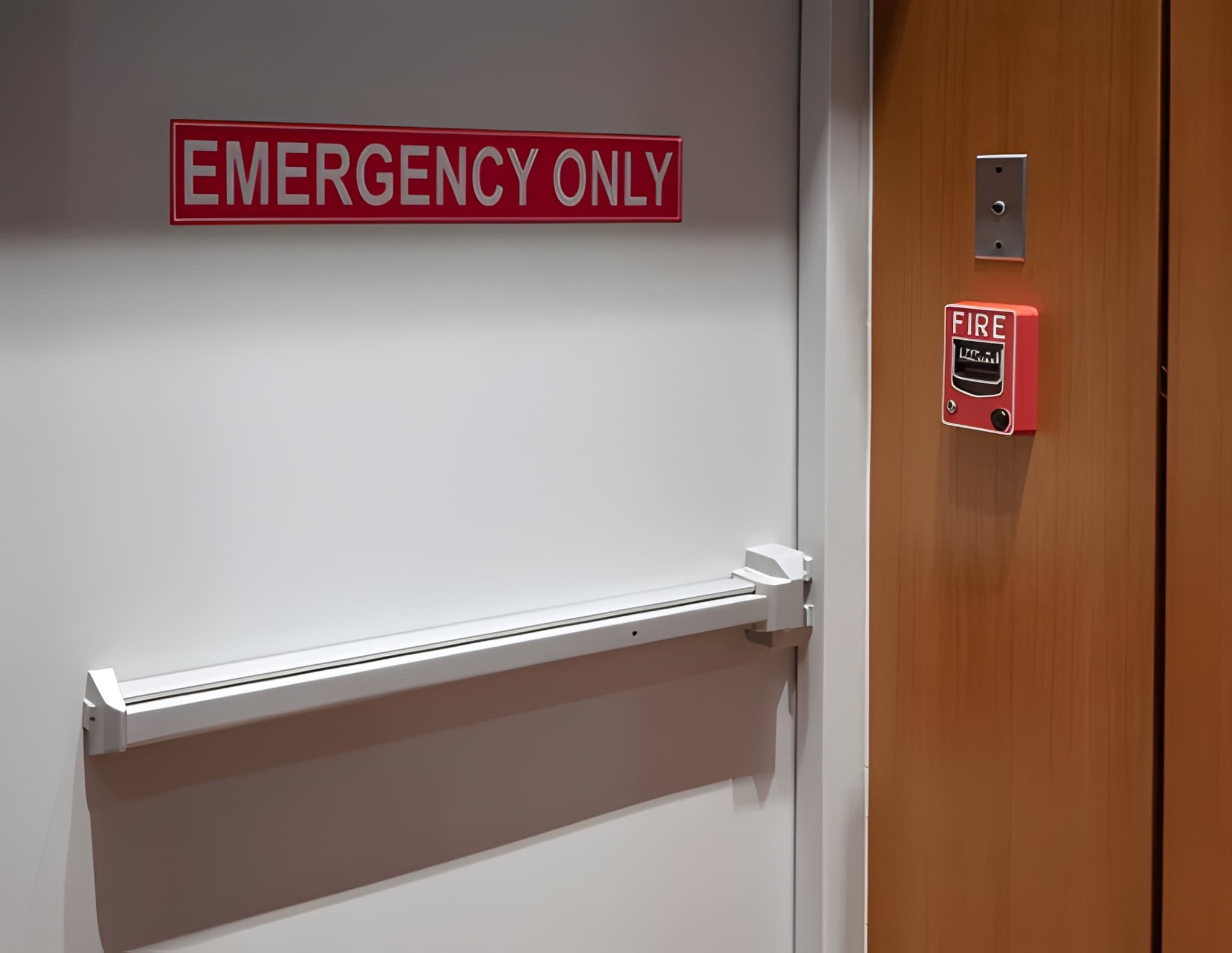
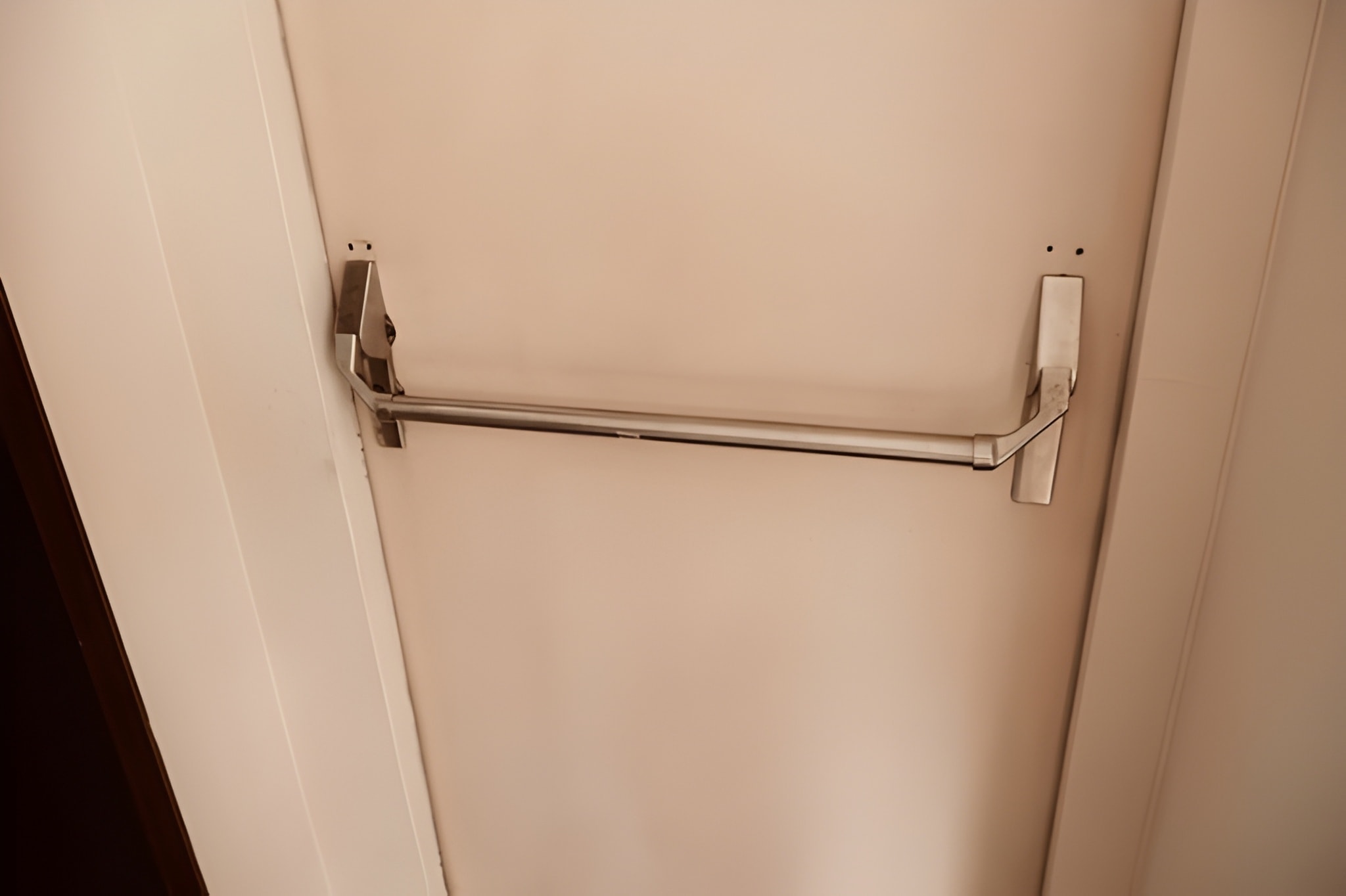
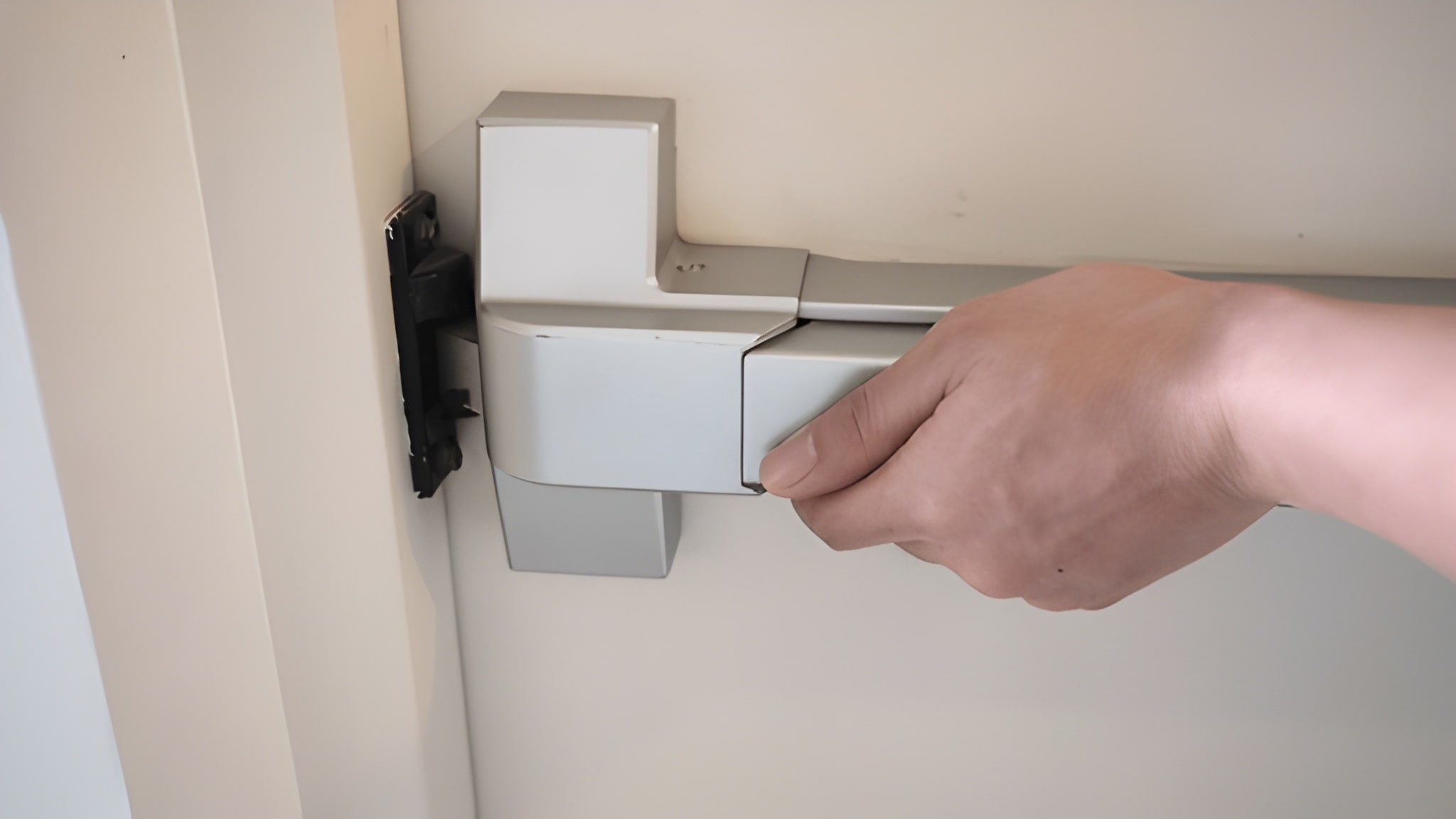
A door closer is a hydraulic or mechanical device mounted to a door and its frame that controls the closing cycle. It determines how far the door swings open, how reliable it closes, and whether it latches securely every time. Without one, doors rely on whoever walked through last to pull them shut — which doesn't always happen.
Installation isn't just bolting a unit to the door. It involves selecting the right closer for the door's weight and traffic volume, positioning the mounting correctly so the arm geometry works, then adjusting several independent valves that each control a different phase of the close. Get any of those wrong and the door either slams, closes too slowly to latch, or binds on the frame.
We install door closers on commercial entry doors, interior corridor doors, fire-rated doors, stairwell doors, and ADA-accessible entries. We also work on residential buildings where fire code or HOA requirements mandate self-closing doors — apartment stairwells and garage entry doors being the most common.
Our work ranges from single-door jobs for small offices to multi-door projects across entire buildings. We work with facility managers, property managers, business owners, and general contractors throughout Maryland.
The right type depends on the door — its weight, material, daily use, and what the space requires. These are the main categories we work with across Maryland properties.
Not every door needs a closer, but certain situations make them mandatory rather than optional. Maryland building codes, fire codes, and ADA requirements all specify where closers are required. Beyond code, there are practical reasons why they make sense even when they're not mandated.
Any door on a fire-rated wall, stairwell door, or corridor fire door must be self-closing. In Maryland, this follows the International Building Code and NFPA 80 — fire doors must close and latch from any open position under the power of the closer alone. A missing or non-functioning closer on a fire door is a violation that will appear in any inspection.
The ADA standards limit the force needed to open an interior swinging door to 5 pounds maximum. A closer has to be strong enough to reliably close the door, but calibrated so it doesn't make the door difficult to push open. We verify this with a force gauge before leaving any ADA-relevant entry. If you need more detail on access control compatibility, see our access control systems page.
A door on a controlled entry that doesn't close consistently creates an obvious problem: the lock can't secure a door that stays ajar. We see this regularly in office buildings where an access system was installed but the closer was overlooked. A closer fixes this and makes the electronic lock actually work the way it was intended.
In HVAC-conditioned spaces — medical offices, server rooms, retail stores — an exterior door that stays open wastes a significant amount of conditioned air. A closer keeps the door shut between uses without relying on staff to remember. For some businesses, the energy savings over a year more than offset the cost of installation.


This is a general overview of where door closers are typically required or standard practice in commercial buildings in Maryland. Specific requirements depend on occupancy classification, building type, and local amendments to the IBC and NFPA codes.
| Door Type / Location | Closer Status | Key Consideration |
|---|---|---|
| Stairwell doors in commercial buildings | Required | Fire and smoke separation — must self-close and latch from any position |
| Fire-rated corridor doors | Required | NFPA 80 — closer must work without assistance at all open positions |
| ADA accessible entry doors | Required | Max 5 lbs opening force; low-energy operator often preferred for compliance |
| Exit doors with panic hardware | Required | Must self-close for fire separation; pairs with push bar / exit device |
| Exterior entry doors (commercial) | Common practice | Security, energy, and liability — not always code-mandated |
| Server room / secure area doors | Common practice | Pairs with access control — door must close to re-lock |
| Restroom doors in public facilities | Common practice | ADA and privacy — most public restroom doors have closers |
| Interior office doors | Optional | Privacy and noise control — often requested, not code-driven |
A door closer installation done right involves more than showing up with a unit and drilling holes. Here's what we do, from the first look at the door through final testing.
We measure door width, height, and weight, check hinge condition, confirm swing direction, and look at header depth. This determines which mounting configuration is possible and what closer size the door actually needs.
We match the closer to the door based on size, traffic volume, and any code requirements. A light interior door in a low-traffic hallway gets different hardware than a heavy exterior entry used by dozens of people per hour. We discuss options and cost before moving forward.
We drill at the correct template positions, mount the body, attach the arm, and verify the arm geometry is right for the configuration being used — regular arm, parallel arm, or top jamb. The arm geometry determines how closing force is delivered, so this has to be precise.
Most commercial closers have three adjustable valves: sweep (main closing speed), latch (final speed before the door hits the frame), and backcheck (resistance at the opening limit to prevent wall damage). We set each one and test until the close cycle is smooth and consistent.
We verify the closer works with existing latch hardware and any push bar on the door. We then cycle the door 15–20 times, confirm it latches fully each time, and check opening force on ADA doors with a gauge before we leave.


A visit for door closer work might involve new installation, a replacement, recalibration of an existing unit, or troubleshooting a closer behaving inconsistently. Here's the full scope of what we handle. For closers that are already installed but malfunctioning, see our dedicated door closer repair page.
- New door closer installation — surface-mounted, concealed, floor spring
- Replacement of failed or leaking hydraulic closers
- Calibration and valve adjustment on existing units
- Low-energy ADA automatic opener installation and programming
- Fire door closer inspection, testing, and replacement
- Closer arm replacement — bent, broken, or wrong configuration
- Hold-open arm installation and delayed-action setup
- Multi-door projects for offices and commercial buildings
- Compatibility work with push bar hardware
- Integration with electronic access control systems
- Post-installation ADA opening force verification
- Building inspection citation response and documentation
Door closer needs vary a lot by building type. A school has different traffic patterns and code requirements than a medical office or a warehouse. We work across a wide range of commercial property types throughout Maryland and adjust our approach based on what the building actually needs.
Door closers are one component of a complete commercial door system. If you're updating other hardware at the same time, or need a different service entirely, here's what else we handle across Maryland.
Schedule a Door Closer Installation in Maryland
We serve commercial properties across Prince George's County, Montgomery County, Howard County, Anne Arundel County, and Baltimore County. Call us or request a quote online.